Kilian’s Battle
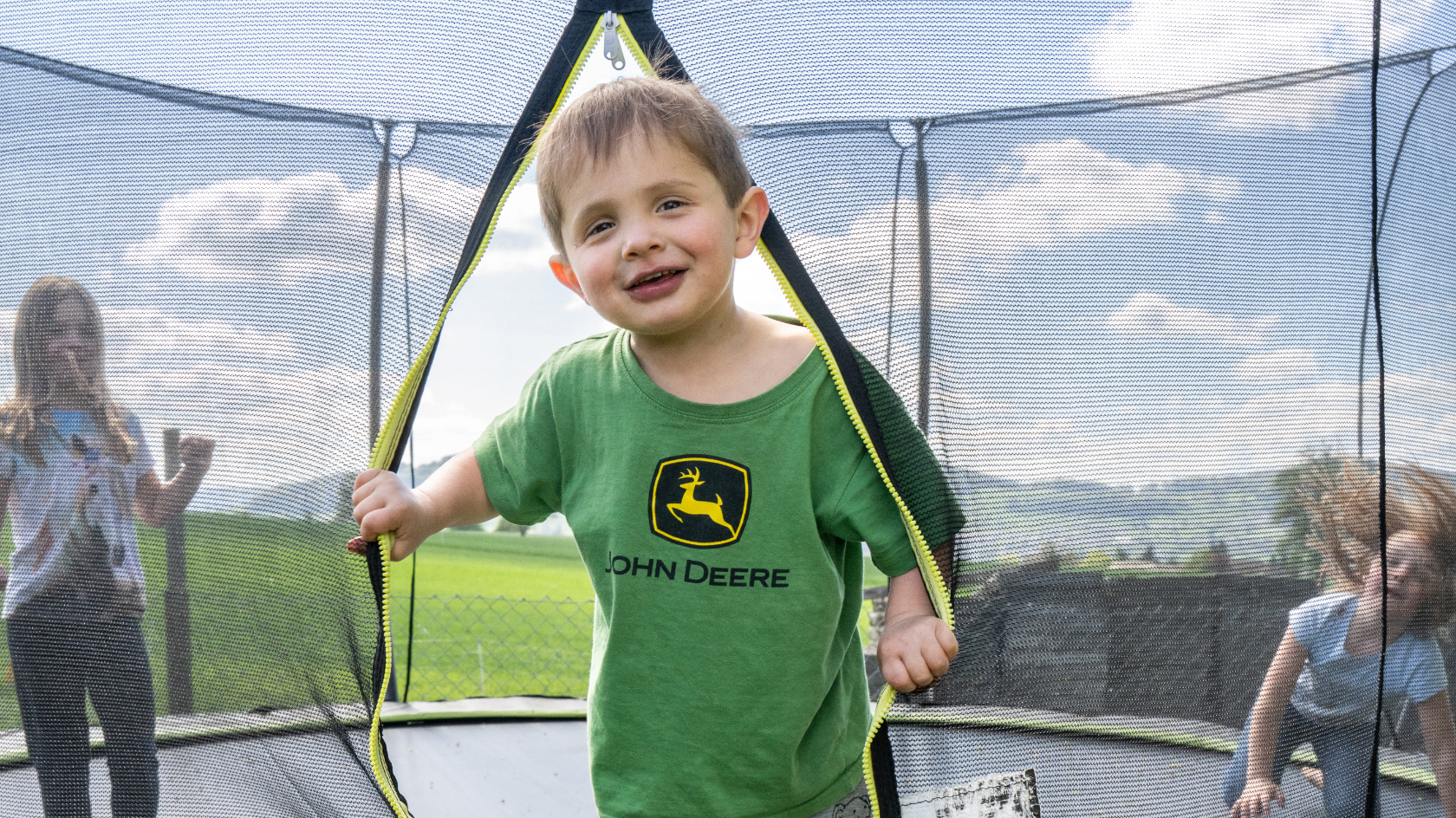
The first thing Kilian’s parents notice are the bruises. “He never had any kind of fall. And yet he had all those bruises,” recalls Kilian’s mother, Jasmin Käslin. “We googled it and the first thing that came up was leukemia. That’s when the fear set in.” Initial tests at the hospital are inconclusive.
The family is referred to the University Children’s Hospital Zurich. A biopsy is taken. The diagnosis is devastating: Kilian has leukemia. More specifically, he has acute myeloid leukemia (AML), an aggressive form of blood cancer. AML develops when immature progenitor cells proliferate in the bone marrow, which leads to a deficiency of functional blood cells. The symptoms are fatigue, fever and bleeding – hence Kilian’s bruising.
He is just 10 weeks old.
Childhood cancer is different
Why did Kilian get leukemia as a baby? “At the Children’s Hospital, they told us it was just bad luck. We didn’t do anything wrong,” says Jasmin. In fact, cancer in children and adolescents is caused by random mutations, developmental disorders during organ formation or, rarely, by inherited genetic factors.
Meanwhile, cancer in adults is often the result of decades-long processes such as smoking, exposure to UV radiation, chronic inflammation and aging. Children tend to suffer from leukemia, brain cancer or embryonal tumors that develop from immature cells, such as neuroblastomas (in the nerves) or hepatoblastomas (in the liver). Adults, on the other hand, are particularly prone to breast, prostate and colon cancer.
“Tumors in children have different causes and must be diagnosed and treated differently from adult cancers,” says physician and molecular biologist Raphael Morscher, who is part of the management team of the National Center of Competence in Research (NCCR) Children & Cancer. Cancer in children is also characterized by its rarity.
Even with the most common forms of childhood cancer, such as leukemia and brain tumors, there are significantly fewer cases than in adults.
“Even with the most common forms of childhood cancer, such as leukemia and brain tumors, there are significantly fewer cases than in adults,” emphasizes Jean-Pierre Bourquin, head of the NCCR Children & Cancer. “That’s why pediatric oncology needs highly specialized diagnostics and the largest possible national and international research network in order to generate sufficient evidence and knowledge despite the small numbers we’re working with.” Bourquin’s research field is leukemia, the most common type of cancer in children.
Because tumors in children are so diverse, treatment needs to be tailored to the patient as much as possible. Obtaining a precise diagnosis of the tumor and using a correspondingly precise therapy are key to this. “It is important to consider each child as an individual case in order to find the best possible solution,” says Ana Guerreiro Stücklin. “This means that although we rely on treatment protocols that we know work for the majority, at the same time, we try to understand the specific characteristics of each child’s tumor. Age and stage of development play an important role in this.” Guerreiro Stücklin treats and researches brain tumors in children and is also part of the management team of the NCCR Children & Cancer.
At home with the Käslin family
We are visiting the Käslin family on their farm near Lake Hallwil. Kilian is now four and has been cancer-free for three years. During the conversation with his parents, Markus and Jasmin, he frolics around on the sofa, plays with the tractors he has parked in the living room, and seems to enjoy the extra attention he is receiving.
A few minutes later, Kilian’s big sisters Melina (aged nine) and Leana (aged seven) join us. How did they experience Kilian’s illness? “It was a difficult time. Mom wasn’t around as much, and neither was Dad,” they recall. Their parents are often with Kilian at the hospital. They take turns sitting by his bed. Kilian suffers from a rare and particularly aggressive form of leukemia in which the KMT2A gene combines with another gene. This creates what is known as a fusion protein, which alters normal blood formation and blocks the maturation of blood cells.
“Kilian’s cancer had particularly unfavorable genetics,” explains Nastassja Scheidegger-Egloff, the attending physician who treated Kilian and who also leads an oncology research group at the Children’s Hospital. Statistically, the chances of recovery from the type of infant leukemia Kilian suffered from are only 30% to 50%. For acute lymphoblastic leukemia (ALL), the much more common form, 90% make a full recovery.
-
 Happy to see Kilian doing so well today: The Käslin family at their farm in Fahrwangen – Leana, Kilian, their mother Jasmin, Melina, and their father Markus.
 -
 Sisters Melina (in the back) and Leana with Kilian on the slide. “I’m proud of the girls. They went through something unthinkable,” says their mother, Jasmin Käslin.
 -
 Kilian driving his tractor around the farm. “His cognitive development is normal, which is not a given with the treatment he’s undergone,” says Jasmin Käslin.
 -
 Jasmin, Kilian’s mother, in the garden: “Every time I look at Kilian, I know what a privilege it is that he’s here with us.”
 -
 Leana, Kilian, and Melina on the chicken coop: “Seeing the three children together is the most beautiful thing for us,” says their mother, Jasmin Käslin. (All images: Diana Ulrich)
Helping their little brother
Because the cancer is so aggressive and the chances of recovery are low, it must be fought with equally aggressive chemotherapy from the start. This prepares the body for a stem cell transplant. It is the most potent weapon in the fight against cancer. But there is a complication during chemotherapy: the skin around Kilian’s catheter becomes inflamed, which leads to sepsis. The chemotherapy has to be stopped. “We had to fight for Kilian’s life,” says Jasmin Käslin.
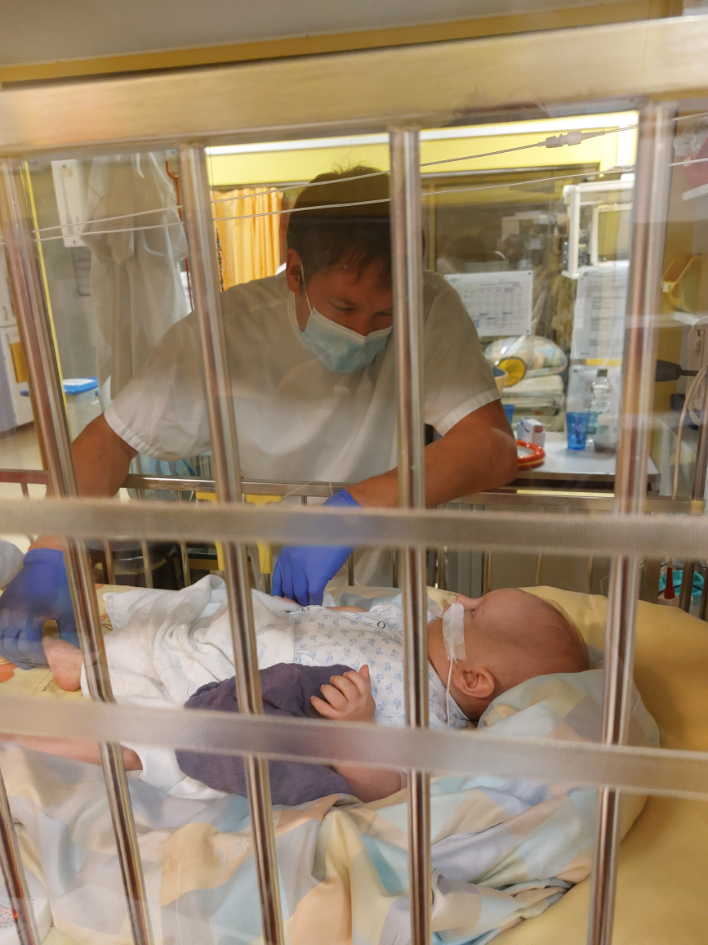
The sepsis is brought under control. Chemotherapy can continue. The stem cell transplant can only be performed once Kilian’s body is cancer-free. The stem cells are taken from his sister, Melina. This is not easy for the parents. “The idea that we had to use one child to help the other was terrible,” recalls mother Jasmin. Melina, however, sees things differently: she wants to help her brother. “I’m proud of the girls. They went through something unthinkable,” says Jasmin Käslin.
During the period around the stem cell transplant, Kilian has to remain in a sterile isolation room at the Children’s Hospital. “The immune system is so severely suppressed that it becomes extremely susceptible to fungi, bacteria and viruses,” says Nastassja Scheidegger-Egloff. Anyone who wants to see Kilian must therefore disinfect their hands and arms and wear a full-body suit and mask. This is a challenging time for Melina and Leana: “Kilian was in his little room and we weren’t allowed to hug him. That was sad,” recalls Melina.
The cancer returns
Transplanting his sister’s healthy stem cells is Kilian’s best chance. But the family’s hopes are dashed. After just three months, the leukemia is back. Relapses are one of the risks of cancer therapy. The problem lies in the fact that the new tumor is often more aggressive, because it is made up of particularly resilient cells that survived the first treatment. This makes further treatment more challenging, and the chances of recovery are lower.
It is a difficult situation for the family and the team at the Children’s Hospital. “Cancer cells that survive the first round of chemotherapy are resistant to the drugs used,” says Nastassja Scheidegger-Egloff. This limits the treatment options. The remaining therapies are very toxic, with severe short- and long-term side effects that pose an acute risk to Kilian’s body and can cause lasting damage.
That’s the art of pediatric oncology. While we need to do whatever is necessary to fight the tumor, we also have to protect the growing child from long-term consequences as much as we can.
The harmful side effects of cancer therapies are one of the major challenges of treatment, especially in children. Paradoxically, children often tolerate chemotherapy well, even better than adults, because they have not yet accumulated any damage to their liver, kidneys or lungs. However, the long-term side effects are more serious than in adults, whose bodies are fully developed. “That’s why we have to be careful to do as much as is necessary, but as little as possible,” says Ana Guerreiro Stücklin. “That’s the art and the challenge of pediatric oncology. While we need to do whatever is necessary to fight the tumor, we also have to protect the growing child from long-term consequences as much as we can.”
At one point, the question arises as to whether Kilian can tolerate further treatment, and if so, which one. Kilian’s parents must decide whether they want to continue fighting his cancer, despite the low chances of success and the severe side effects that Kilian is suffering from. “That was hard for us to bear,” recalls Jasmin, “but we decided that Kilian had to keep going.”
No miracles promised
Sometimes, when the chances of recovery are very low, it may be more important for the children to spend time with their family and friends instead of enduring another round of treatment, says Ana Guerreiro Stücklin. “We have to respect that.” At the same time, she emphasizes that she always remains “very optimistic”. “We like to distance ourselves a little from the statistical probabilities and do whatever is feasible and reasonable for the individual child. Every child and every family is different. We listen, we weigh things up and we decide together. The numbers are only one part of the whole picture.”
At the same time, it’s important to be honest and not promise miracles. “We always say: we’re here for you. While your child is with us, doing well and tolerating the therapy, we’ll continue to fight. If we think there’s no sense in continuing, we’ll say so. But even when further treatment is no longer possible, we are still there for the whole family.” Ultimately, it is the parents and the children, if they are old enough, who decide whether to continue and for how long.
Suddenly, there is hope
In Kilian’s case, this responsibility lies with his parents, Markus and Jasmin. Just as they are considering moving to palliative treatment and letting Kilian go, a new opportunity arises in Utrecht, the Netherlands, where a completely new therapy is being tested in an international clinical study. It functions by preventing the altered KMT2A fusion protein from binding to DNA, which halts the altered genetic program of the leukemia cells.
All places in the study in Utrecht have already been filled, but the pharmaceutical company allows Kilian to be treated with the drug without being part of their research. But there is a condition: a second stem cell transplant. Why? “The therapy can suppress the leukemia in a very targeted manner, but in many cases it does not cure it,” explains Nastassja Scheidegger-Egloff.
The Käslins take Kilian to Utrecht. His mother, Jasmin, stays with him, while his father, Markus, and sisters Melina and Leana travel to the Netherlands several times during the six weeks that Kilian undergoes treatment in Utrecht.
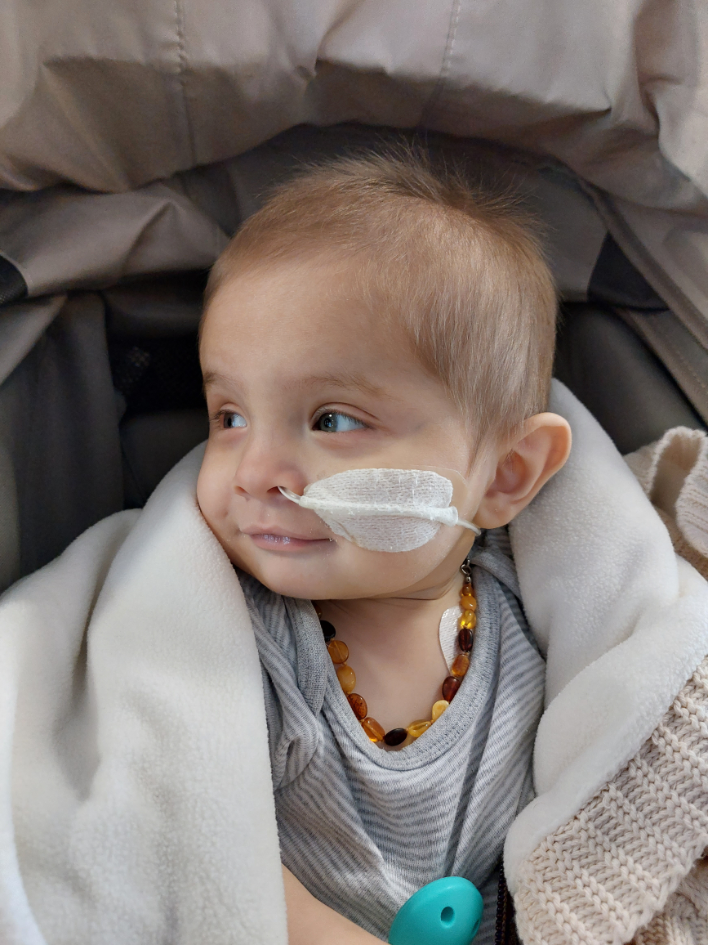
The prognosis is unknown. The treating physicians say that nothing will happen in the first few weeks. They simply allow the body and the medication to do their work. After that, a decision has to be made as to whether the therapy is working, and if it should be continued. The goal is to make the body cancer-free so the second stem cell transplant can be performed. In Kilian’s case, the number of tumor cells initially increases, then quickly decreases, and finally the cancer disappears completely.
After successful treatment in Utrecht, Kilian returns to Zurich for the second stem cell transplant. This time, the stem cells come from his father, Markus. They are only partially compatible with Kilian’s cells. On the one hand, the new immune cells can therefore fight the remaining leukemia cells particularly well. On the other hand, however, there is a higher risk of graft-versus-host disease, in which the donor cells also attack healthy tissue and overload the body.
In Kilian’s case, the reaction is very intense. “It was a tightrope walk,” says Markus Käslin. To reduce the risk of rejection, immune function has to be suppressed. But this is also a balancing act, because if the immunosuppression is too strong, the body will no longer be able to fight the leukemia.
After a few weeks, it becomes clear that this time, the transplant is working. The cancer markers are gone, and they stay that way. Nevertheless, the fear of another relapse remains. “We lived from puncture to puncture and hoped we’d get a negative result,” says Jasmin. Weeks turn into months. Kilian is cancer-free for one year – and then three.
Today, three years after the stem cell transplant, Kilian continues to do well. In fact, he’s bursting with energy. “His cognitive development is normal, which is not a given with the treatment he’s undergone,” says his mother. However, Kilian is small for his age. Children do not grow in the first year following therapy, however, they often experience a growth spurt after this period. This has not been the case for Kilian so far, but he still has time to catch up.
Kilian’s stunted growth is one of the risks of cancer treatment. It is a harsh intervention that leads to damage in the body and continues to affect the child even after treatment is completed. The side effects are wide-ranging. They include growth disorders, issues with hormone production and cognitive deficits. Even once a child has been cured of cancer, the long-term damage can present challenges for them and their families.
Minimizing long-term damage
“The families are incredible,” says Guerreiro Stücklin. “They give the children a lot of strength and optimism, and are very creative in finding solutions. But it’s often a very, very long road.” And things don’t necessarily get any easier, the pediatrician emphasizes: “There’s a phase of relief. We’ve beaten the disease – the child is cured. But then, as they develop, there are new challenges.”
This could be when the child turns into a teenager who is supposed to become independent and pursue an education, for example. But what happens when a young person’s body and brain are not functioning as they should, and they cannot reach their full potential? “Then you have to support them and integrate them into society as best you can,” says Guerreiro Stücklin.
Kilian Käslin was lucky: there was a new therapy available, and it worked for him. It saved his life. In addition to the stem cell transplant, which was successful for Kilian on the second attempt, the new therapies that hold great promise include immunotherapies, in which the immune system is manipulated so that it fights the cancer cells itself. CAR-T cell therapies are particularly promising. The body’s own cells are genetically modified in a lab to allow them to better recognize and fight cancer cells; for this purpose, the T cells are given an artificial receptor known as a chimeric antigen receptor (CAR). They are multiplied millions of times and then returned to the body, where they specifically seek out and destroy cancer cells.
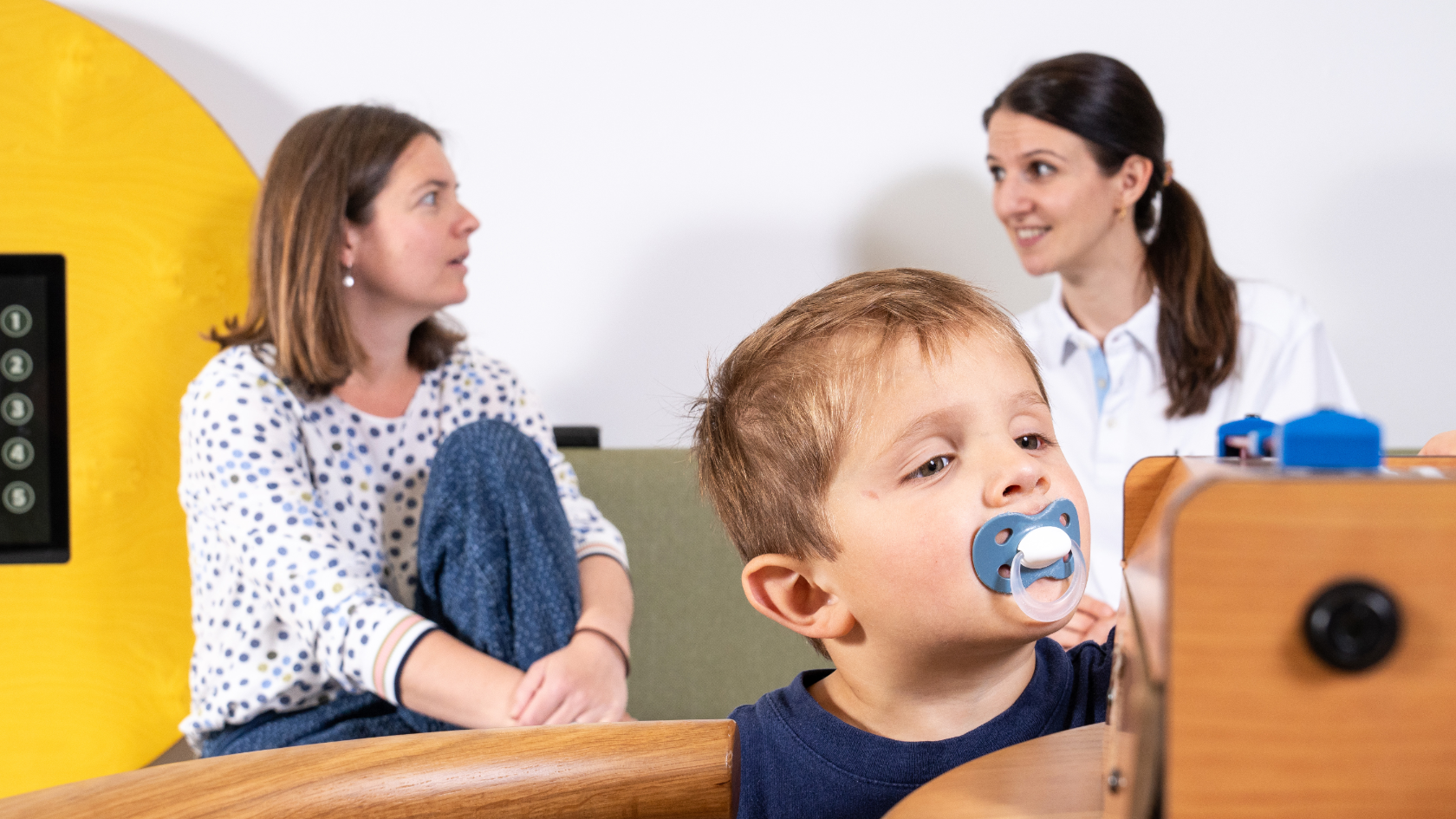
Immunotherapy is an important advance because it is more targeted and therefore has fewer side effects and less long-term damage than conventional drug therapies. “The further development of immunotherapies is one of the main focuses of the NCCR,” says Jean-Pierre Bourquin. “They are partially replacing the traditional, toxic chemotherapies. This means harmful side effects can be reduced.”
The emphasis is on the word “partially.” A magic bullet that could put an end to cancer does not exist, and it is unlikely to emerge in the foreseeable future, says Ana Guerreiro Stücklin: “When we started with genome sequencing, we imagined that a drug could be developed for each specific type of cancer.” That is not yet the case.
But thanks to genome sequencing, it is now possible to visualize changes in cancer cells. And one thing in particular becomes clear: just how different each tumor is. This is exactly why a variety of treatment methods are needed. “Despite the availability of very effective new therapies, we still need to keep developing drugs and treatment methods, and we must also think about combination therapies,” says Guerreiro Stücklin.
Another promising method used to fight cancer cells is to block their metabolism in a targeted way. In cancer, metabolic processes are reprogrammed in such a way that they promote the growth of cancer cells. If this mechanism can be precisely blocked, the biological engine of the cancer cells will sputter or even come to a standstill. The cancer can no longer grow, and it eventually dies. Raphael Morscher is working on such therapies.
Alternatives to industry-backed research
CAR-T therapy is a good example of the fact that pediatric oncology is not simply an offshoot of adult cancer research. “It was first tested and used in children, for children,” says Raphael Morscher. This shows that testing new therapies exclusively for adults with children as an afterthought is the wrong approach. “Because the biology of childhood tumors is different, we have to develop new treatments specifically for children.”
This requires more than just successful, innovative research. To bring active ingredients and therapies from the lab to the market, the industry needs to be willing to bear the high costs of clinical trials. But therapies for childhood cancers are usually considered financially unattractive by the pharmaceutical industry, because the low incidence rates mean sales opportunities are limited, explains Jean-Pierre Bourquin. It is precisely because it is not worthwhile for the pharmaceutical industry that academia must step up as a leader in this regard, says Raphael Morscher. “We need to find ways to secure funding for research and clinical trials, even without industry backing.”
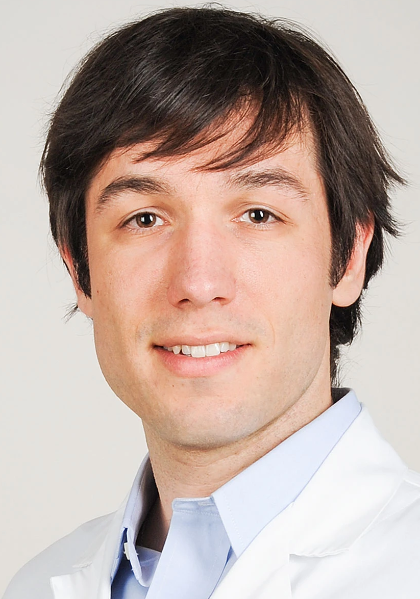
We need to find ways to secure funding for research and clinical trials, even without industry backing.
The new NCCR Children & Cancer offers a great opportunity to pool the various competencies in the field of pediatric cancer research in Switzerland and thus take it to new heights, says director Jean-Pierre Bourquin. “This sends an important, clear signal from the federal government. We have been tasked with building a nationwide structure and overcoming the fragmentation that currently exists. This will strengthen pediatric cancer research in Switzerland and drive the development of new therapies.” The NCCR is jointly led by UZH and the University of Lausanne, but the goal is to involve all pediatric oncology centers in Switzerland. There are currently nine – in a country with nine million inhabitants.
Thanks to the NCCR, Swiss pediatric oncology is also set to be better integrated into international programs – not only as a participant, but as a co-creator, Bourquin notes. It is particularly important to close the gap between excellent research and clinical implementation, says Raphael Morscher. “The delay with which medical innovations reach the children we treat is currently too great.” Now, this is set to change. Jean-Pierre Bourquin, Ana Guerreiro Stücklin, Raphael Morscher, Nastassja Scheidegger-Egloff and their colleagues are working on this every day.
The Käslin family is happy that Kilian is doing so well today. During the conversation with his parents, he doesn’t stay on the couch in the living room for long, and neither do his two sisters. We watch the three children romping around after the interview: they get an ice cream, go to the garden to jump on the trampoline and play with the chickens. One of them is Kilian’s very own chicken, Fränzi, who he carries around. Kilian is beaming. His sisters too. “Seeing the three children together is the most beautiful thing for us,” says Jasmin. “Every time I look at Kilian, I know what a privilege it is that he’s here with us.”