The Habits of Healthy Eating
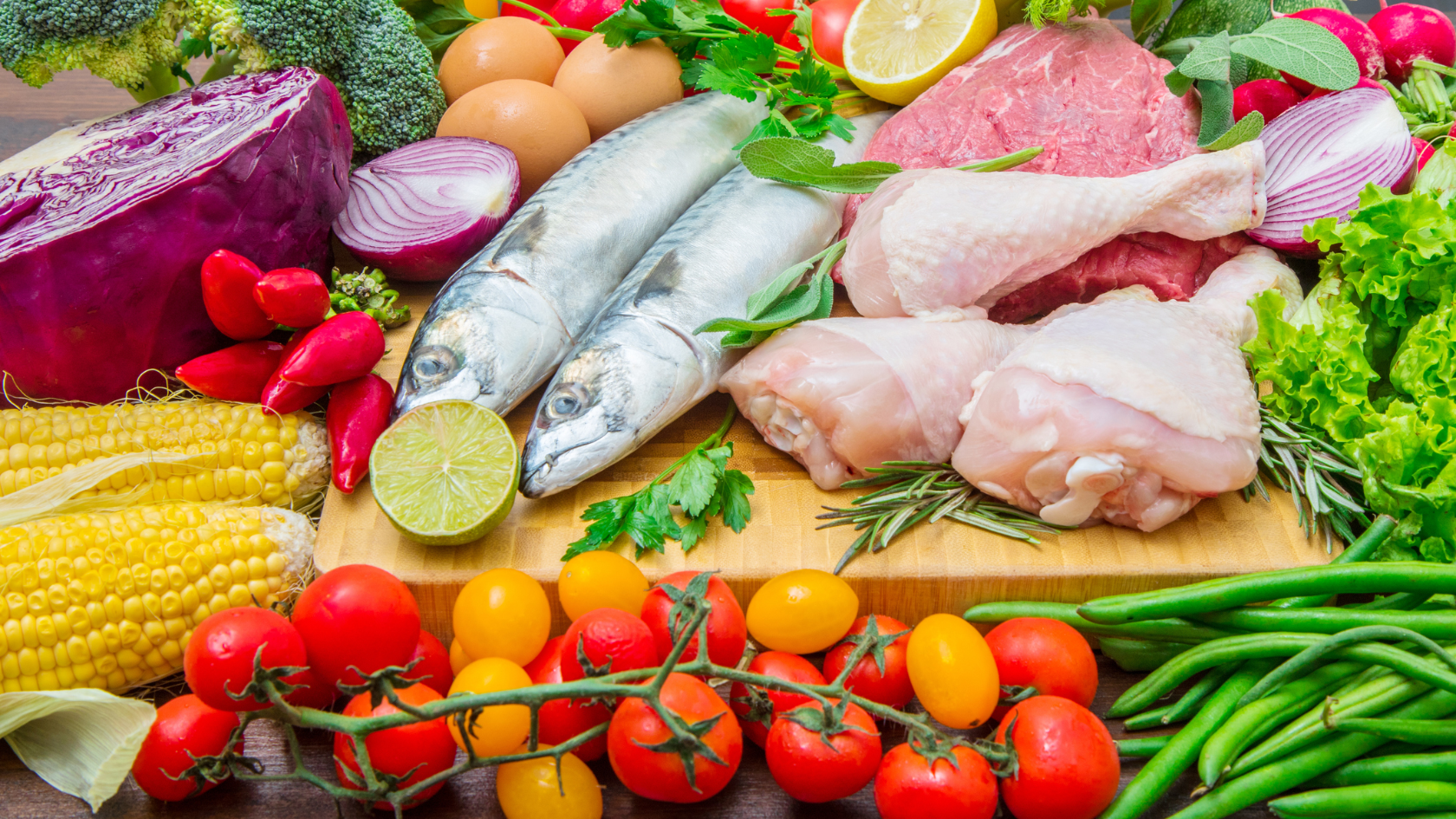
Our eating habits are deeply ingrained. This is something that nutrition scientist Sabine Rohrmann observes time and again. The Swiss diet is therefore largely the same as it was 30 years ago: in German-speaking Switzerland, people eat a lot of cheese and dairy products and are very partial to chocolate, while those in the French-speaking part drink more alcohol. And in both regions people eat a lot of meat and cold cuts, sometimes too much. And unsurprisingly, the people in the Italian-speaking part of the country eat the closest to the ideal of the Mediterranean diet, which has long been held up as the healthiest way to eat. “We already see these dietary patterns in data from the 1970s and 1980s,” says Sabine Rohrmann, “we were surprised that the current picture hasn’t changed significantly.”
Eating healthily is an effort
Why are dietary patterns so ingrained although we are positively bombarded with advice about what we should be eating? And why don’t we just eat more healthily? Sabine Rohrmann cites a whole range of reasons: because healthy food is seen as expensive and can involve a lot of effort. And because the food we think of as enjoyable and tasty is not necessarily good for us. On top of that, habits play an important role. We get used to a certain diet as children and these experiences shape what we like and dislike. If we’re lucky, this diet corresponds to our body’s needs, if not, we will get used to foods that aren’t good for us, and develop a taste for sugar and processed meat, for example.
Breaking habits is difficult, says psychologist Sebastian Bürgler: “In simple terms, we can think of habits as learned mental shortcuts to navigate a situation or action.” When something becomes a habit, we usually do it without having to make a conscious decision to do so. So that applies to the cup of coffee after dinner, or the chocolate bar, or the cigarette that habitually rounds off a meal. “It doesn’t matter whether something is healthy or unhealthy, once a behavior has become established, it becomes relatively automatic,” says Bürgler. And so, when we grab something sweet at the register in the cafeteria, we effectively do so on autopilot, although we don’t actually want it, and the same goes for the after-dinner cigarette to “aid digestion”.
In order to change our eating habits, it is important that our environment makes it as easy as possible for us to act healthily.
There are three basic strategies for changing habitual behaviors. We can suppress the action, so keeping our hands off chocolate bars altogether; we can replace the action with another one, so eating an apple instead; or we can avoid the cues linked to the undesirable action, for example by going to a vegetarian restaurant where there are no chocolate bars at the register.
Having a plan ready
Great, you might think, if it was that easy. But of course it isn’t, otherwise we’d be rid of our bad habits in a flash. Changing behaviors is often made harder by the fact that we have competing needs. For example, maybe you also go to the cafeteria to eat with colleagues. Or you go to the pub to drink beer and socialize. In such cases, Bürgler recommends working out a pre-commitment strategy. For example, you could say: when I arrive at the pub, I’ll go straight to the bar and order a non-alcoholic drink. “The important thing is to have a plan ready in case you find yourself in a situation where you need to make a decision,” the psychologist explains.
As a rule, if you want to change behaviors, you usually have to act with intention and be motivated. And the responsibility not only lies with ourselves – the environment can make it easier for us. No more chocolate at the register, an affordable vegetarian menu option, or maybe even a meat-free day in the cafeteria once a week, as is done at UZH. “If there are only healthy options, you can’t eat unhealthily. This is simplifying things, of course, but to be able to change our eating habits, it’s important that the environment makes it as easy as possible for us to make healthy choices,” says Bürgler. It’s important that the switch is as straightforward and hassle-free as possible. And also that the food is till tasty and enjoyable.
The link between food and cancer
A healthy diet is the basis for a healthy life. Sabine Rohrmann’s research looks at our culinary tastes, as well as how they impact our health. It shows that our eating habits correlate with the distribution of (chronic) diseases. “In French-speaking Switzerland people drink more alcohol, and accordingly there are more cases of cancer caused by alcohol. There used to be fewer cases of cardiovascular disease there, but that is changing.” Other diseases such as diabetes are also distributed unevenly, with proportionally more people dying of diabetes in German-speaking Switzerland than in Italian- or French-speaking Switzerland.

There are foods that neutralize or at least mitigate the harmful effects of toxic substances.
Rohrmann is particularly interested in how diet affects the risk of developing cancer. There are now clear links, for example between the consumption of processed foods and colon cancer. Or, more precisely, between colorectal tumors and eating red meat and meat products. Many processed meats contain nitrite pickling salt which produces carcinogenic nitrosamines during digestion. Red meat that is well done produces heterocyclic amines, and when it is cooked at high temperatures it produces polycyclic aromatic hydrocarbons, both of which are carcinogenic. On top of that, alcohol dissolves the carcinogenic substances from tobacco smoke, making them more easily absorbed by the mucous membranes.
All that sounds rather unappetizing. But Sabine Rohrmann has some good news, as besides the harmful substances we consume in our diets, there are also lots of foods that are good for us. “There are foods that offset or at least mitigate the harmful effect of toxic substances,” says Rohrmann. They include fruit, vegetables and dietary fiber, of which there are two different types: insoluble and soluble. Insoluble fibers are found in foods such as oatmeal and other wholegrain products. They help speed up the passage of digested food through the gut. “This means the carcinogenic substances have less time to have a toxic effect,” explains Rohrmann. Lettuce and raw vegetables contain soluble fibers, which are converted into short-chain fatty acids during digestion. They are important for gut health, reduce inflammation, and regulate glucose metabolism and appetite.
Muesli over sausage
When it comes to foods that have an antioxidant effect, Rohrmann recommends eating the rainbow, in other words eating a varied and colorful diet. “To me it’s problematic when there’s hype around individual vegetables – whether it’s kale, broccoli, or mushrooms. We should be skeptical about anything that’s overly narrow.” The nutrition scientist’s second piece of advice is to minimize the consumption of toxic substances. So that would mean opting for muesli rather than sausage. “This has a dual effect: you avoid the bad stuff in the sausage and at the same time you get beneficial dietary fiber and vitamins from the muesli.”
But Rohrmann is no purist. Eating meat in moderation doesn’t pose a problem for our health, but it’s the dose that makes the poison, she says. This is why, for example, the Swiss Society for Nutrition recommends eating no more than 360 grams of meat per week. But maybe our eating habits are changing? Sabine Rohrmann is currently waiting for the results of a recent study involving children and adolescents. “We’re very curious to find out whether young people have the same dietary patterns as their parents.