Inscriptions from the Hellenistic and Roman periods are rich sources of information about life in ancient times. Databases make them available for research.
Political decisions often create winners and losers. As research by economist Maya Eden shows, predictable and transparent criteria can help minimize unfairness.
Esther Duflo and Abhijit Banerjee are fighting poverty with rigorous experiments and concrete policies. An interview with the Nobel-winning economists.
There’s no easy way to achieve fair taxation. It takes a bundle of pragmatic measures to close loopholes, minimize false incentives, and tax work and capital evenly.
Russia, China and the U.S. are flouting the principles of the rules-based international order. Historian Jeronim Perović and international law expert Oliver Diggelmann weigh in.
How can poverty be tackled more effectively? How can companies be held accountable? The new issue of the UZH Magazin explores how researchers at UZH are addressing these questions.
At the UZH Healthy Longevity Center, researchers working across disciplines are developing solutions that help older people live healthier, happier lives.
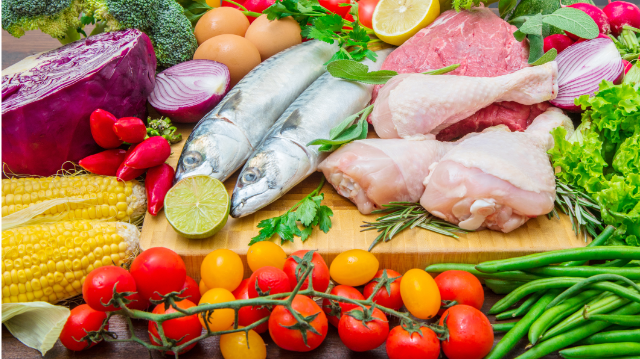
Our eating habits are often unhealthy and take a long time to change. Psychologist Sebastian Bürgler and nutrition scientist Sabine Rohrmann explore why that is and what we can do about it.
The modern world offers an abundance of convenience foods. But our Stone Age physiology isn’t built for modern diets, which are taking their toll on our bodies.
Social decline – or just the fear of it – is pushing people to vote for far-right parties. But trust in government rises when those struggling feel valued and receive the right support.
A meritocratic system only works if everyone gets a fair start. Economists Ernst Fehr and Steven Ongena explain how education, a health and social security system and taxation help.
Are you trying to change your lifestyle and do more for your health? Keeping New Year’s resolutions isn’t easy. Psychologist Urte Scholz examines how it can be done.