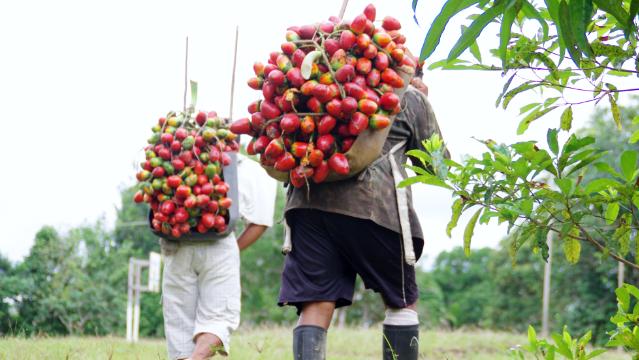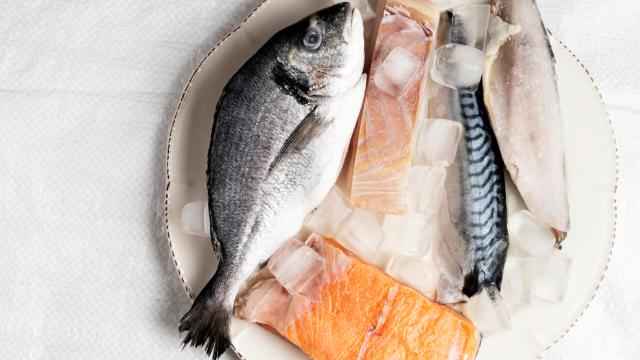
The modern world offers an abundance of convenience foods. But our Stone Age physiology isn’t built for modern diets, which are taking their toll on our bodies.

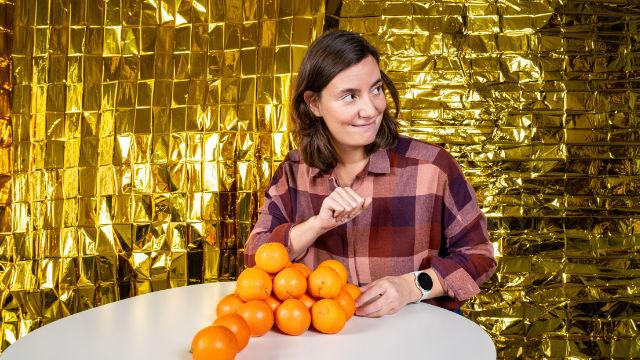
Are you trying to change your lifestyle and do more for your health? Keeping New Year’s resolutions isn’t easy. Psychologist Urte Scholz examines how it can be done.
It’s beginning to look a lot like Christmas – and for many, that means emotional overload, as festive family get-togethers loom, weighed down with expectations.
The Wyss Zurich Translational Center is celebrating its 10th anniversary. The platform provides support to help first-class research projects make the step to clinical trials and progress to the founding of a startup company.
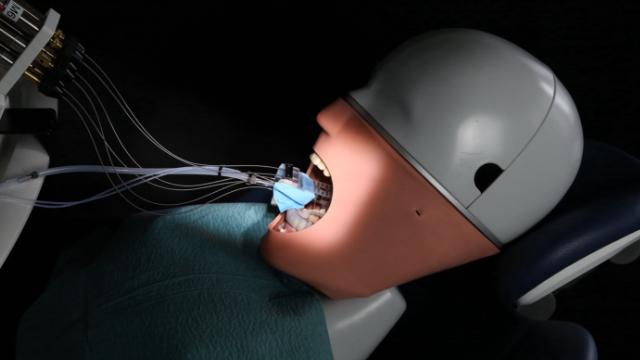
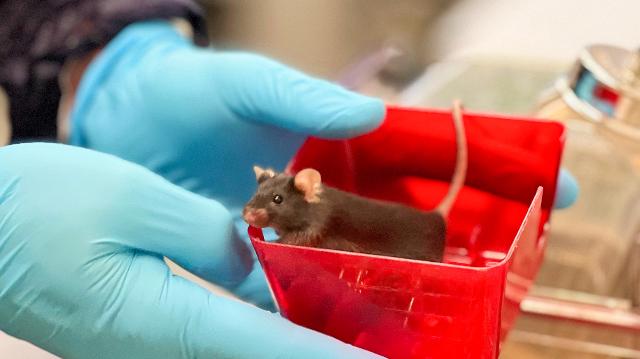
Honing Anesthesia Techniques Using Silicone Animal Models
Fabiola Jörger received the UZH 3R Award 2025 for her practical training in clinical procedures using silicone animal models. The second prize goes to Markus Seeger and Johannes vom Berg for developing flycode technology.
Among sharks and rays, species within the first four million years of existence are significantly more likely to go extinct than older species, according to a study based on fossils from the last 145 million years.
Legal Drinking Age Impacts Learning and Mental Health
A UZH study shows that raising the minimum legal drinking age significantly reduces teenage alcohol consumption. As a beneficial side effect, this has led to better academic performance and mental health.
The molecular biologist Charles Weissmann was one of the leading figures in his field, his research on the antiviral agent alpha interferon brought him worldwide recognition. He passed away last Friday in Zurich at the age of 94.
The yeast Candida albicans can cause dangerous infections. UZH researchers have now discovered how the immune system prevents it from transforming to a pathogenic mode.
AI is rapidly changing how we work, learn and do research. The UZH think tank FutureU has developed future scenarios for universities in the digital age.
The Board of the University has elected economist Ralph Ossa to succeed Christian Schwarzenegger as Vice President Faculty Affairs and Scientific Information.
UZH physicist Ben Kilminster designs the most precise parts of the enormous CERN detectors to look for flaws in the physical models used to explain the beginnings of the universe.
A team of researchers is challenging our understanding of the Solar System planets’ interior. The composition of Uranus and Neptune, the two outer most planets, might be more rocky and less icy than previously thought.
From feasting to fasting, researchers at the University of Zurich are taking a close look at how we eat, what keeps us healthy and the ways in which the wrong food can harm us. The new UZH Magazin serves up fresh insights into the latest findings.
Elephants, Giraffes and Rhinos Go Where the Salt Is
In some regions in Africa, large herbivores struggle to get enough sodium. As many of the continent’s protected areas are in regions where salt levels are low, this scarcity may also affect conservation efforts.
For their research that has helped develop immunotherapies to combat various forms of cancer, Gordon Freeman and Arlene Sharpe are the laureates of the Gretener-Thürlemann Prize.