CHF 4 Million for Brain Health Research

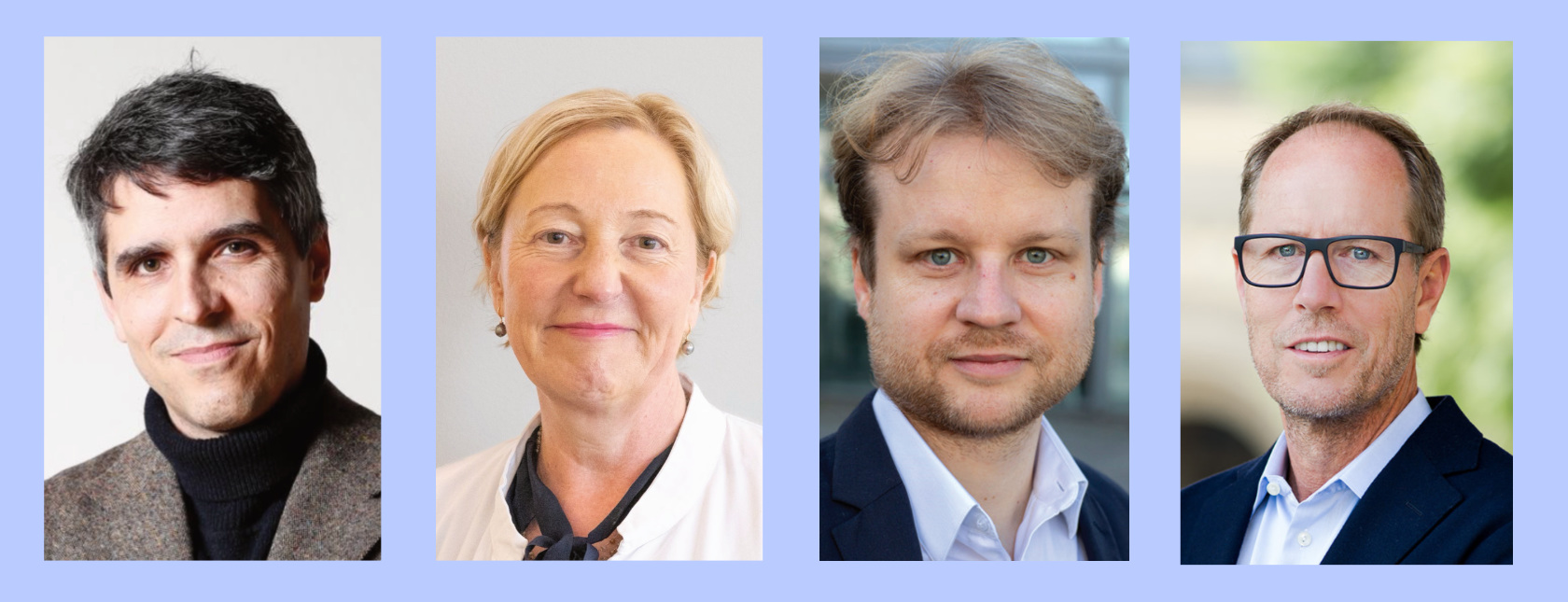
An interdisciplinary research consortium aims to determine whether drugs that target metabolism can slow age-related changes in the brain. The project has received CHF 4 million from the Horten Health Foundation through its clinical consortium projects funding program. Philipp Homan, professor of clinical research in psychiatry at the University of Zurich and deputy director at the University Hospital of Psychiatry Zurich (PUK), will lead the project. Over the next four years, he will work with Heike Bischoff-Ferrari of the University of Basel, Flurin Cathomas of PUK and Tony Wyss-Coray of Stanford University on the PROMOTE project.
Metabolic drugs could protect the brain
Brain health is essential for preserving cognitive function, independence and mental well-being. Brain age is an important indicator of brain health, showing whether the brain’s biological condition corresponds to a person’s chronological age. Premature brain aging is often associated with memory loss, mental health problems and a greater burden of disease. Slowing this aging process could therefore offer a promising therapeutic approach.
This is where the PROMOTE project comes in. At its center is a clinical trial of GLP-1 agonists, a class of drugs already used successfully to treat metabolic conditions such as diabetes. These generally well-tolerated medications have become widely known through their use in weight-loss injections. Research also suggests that they may help protect the brain from age-related changes. PROMOTE will investigate whether GLP-1 agonists can slow brain aging and thereby help preserve cognitive function and mental health. The long-term goal is to translate the findings into preventive treatments that enable people to live healthy, independent lives for as long as possible.