An analysis of bacteria in Lake Zurich reveals that some soil microbes acquire new traits in order to colonize new aquatic habitats, while others reduce their genome size.
Sustainability is no longer just nice-to-have, it’s a concrete call to action. The UZH Sustainable event showcased how the University of Zurich is answering this call.
The subtropics are particularly affected. Explore animated diagrams and interactive maps that show the extent of the decline in various climate scenarios.
Pesticides Significantly Affect Soil Life and Biodiversity
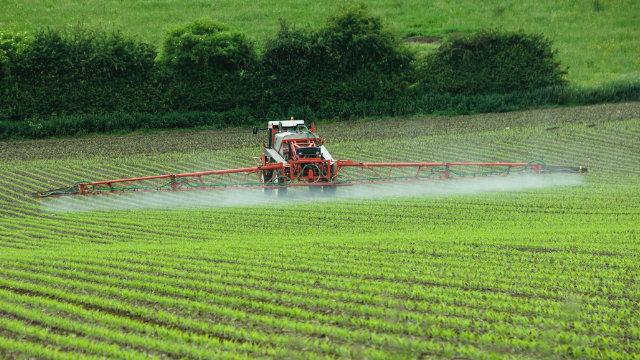
Seventy percent of soils in Europe are contaminated with pesticides. A Europe-wide study now shows that their effects on soil life are substantial, as pesticides suppress various beneficial soil organisms.
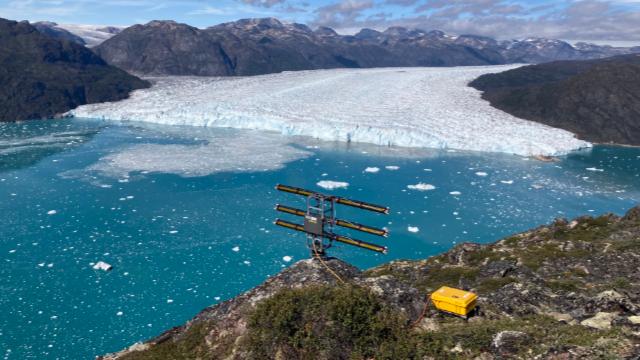
When an iceberg calves, huge chunks of ice break off at the end of the glacier. These trigger high waves on the surface and underwater, pushing warmer sea water upwards. This accelerates the melting of the ice masses.
Fungal Resistance in Wheat: Preserving Biodiversity for Food Security
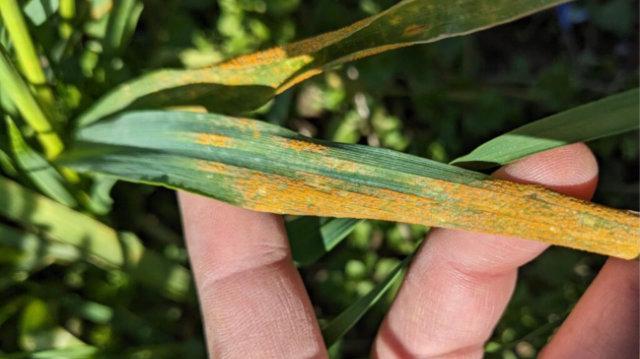
Wheat production is threatened by a major fungal disease: yellow rust. UZH researchers have found traditional wheat varieties from Asia that harbor several resistance-conferring genes.
Chemical pesticides are becoming less and less effective. UZH plant immunologists are exploring a promising alternative that originates in the plants’ own natural defenses.
Humans are having a highly detrimental impact on biodiversity worldwide. Not only is the number of species declining, but the composition of species communities is also changing. These are the findings of one of the largest studies ever conducted on this topic.
In many regions, the “eternal ice” of the glaciers will not survive beyond the 21st century – with fatal consequences for millions of people, reports the UZH-based World Glacier Monitoring Service.
Melting Glaciers Increase Loss of Freshwater Resources and Rise Global Sea Levels
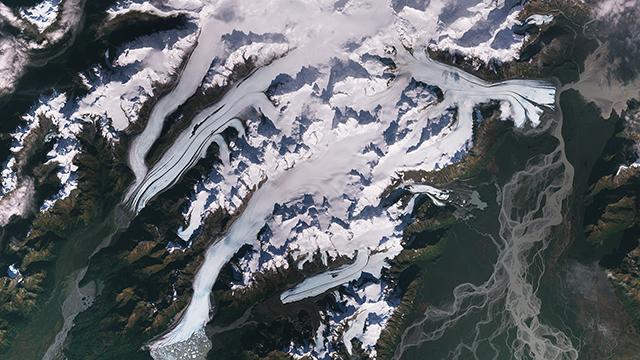
The melting ice from glaciers worldwide is leading to an increased loss of regional freshwater resources. Since the year 2000, glaciers have been losing 273 billion tons of ice annually.
Climate Change Increases Risk of Successive Natural Hazards in the Himalayas
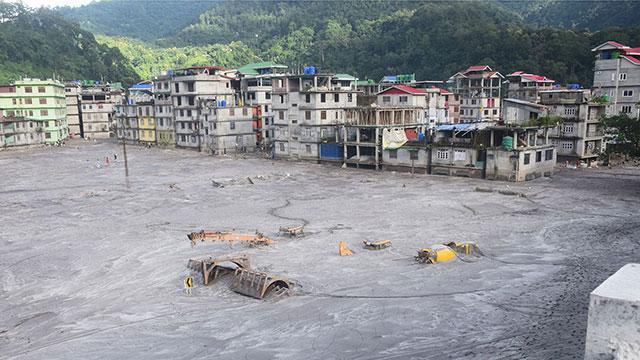
An international research team reconstructed the Sikkim flood disaster in the Himalayas in October 2023 that triggered a deadly and devastating 20-meter flood wave.
Decarb UZH is a strategic project that gives new momentum to achieving climate neutrality at UZH. The university is reviewing its current implementation strategy to reduce greenhouse gas emissions as much as possible by 2030.
Ecological crises such as biodiversity loss, climate change and food security are interconnected and must be tackled in a coordinated way. This is one of the core statements of the Nexus Assessment Report published by IPBES.
The sustainability team at UZH has been rebranded as the Sustainability Hub. Over the past decade, it has helped make the university more sustainable. In early September, hydrologist Jan Seibert was appointed as the new delegate for sustainability.
As the agricultural sector strives to reduce its carbon footprint, promoting biodiversity in agricultural practices could be key to more sustainable food production systems.
Rapidly Increasing Industrial Activities in the Arctic
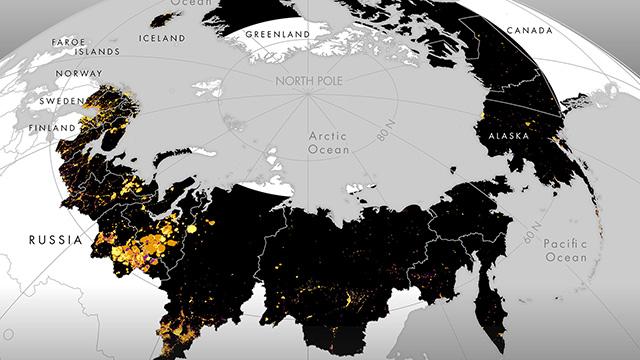
A research team led by UZH shows that 85% of the light pollution in this highly vulnerable region comes from industrial activities, not urban development.